Environmental · Zero liquid discharge
Wastewater Spray Dryer
Spray dryers that turn high-concentration industrial wastewater into dry powder, feed additives or fertilizer, with condensate recovered as process water.
The problem and the fix
Turn waste liquid into a product.
High-concentration wastewater from biochemical, food, pharmaceutical, starch and meat processing needs costly dilution, filtration and chemical treatment before discharge.
Spray drying recovers proteins, sugars, amino acids and salts as feed additives or fertilizer, and the condensate can be reused as process water. The result is zero discharge and a by-product that can be sold.
- No discharge of waste liquid
- Revenue from by-products
- Less odour in the plant
- PLC/DCS control with real-time alarms
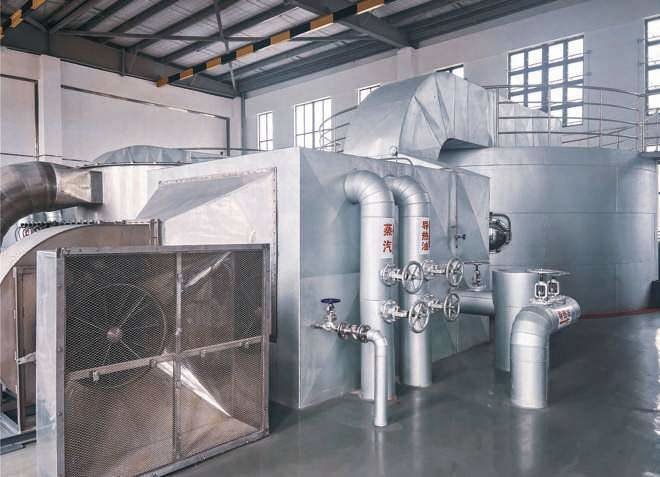
Reference case
Sodium heparin wastewater from a sausage factory
| Inlet / outlet air | 200–220 °C / 80–90 °C |
|---|---|
| Water evaporation | 500 kg/h |
| Solids content | 20% (125 kg/h product) |
| Spray rate | 625 kg/h |
| Final moisture | ≤ 5% |
| Heat source | Thermal oil heat exchanger |
| Drying air | 14,100 m³/h |
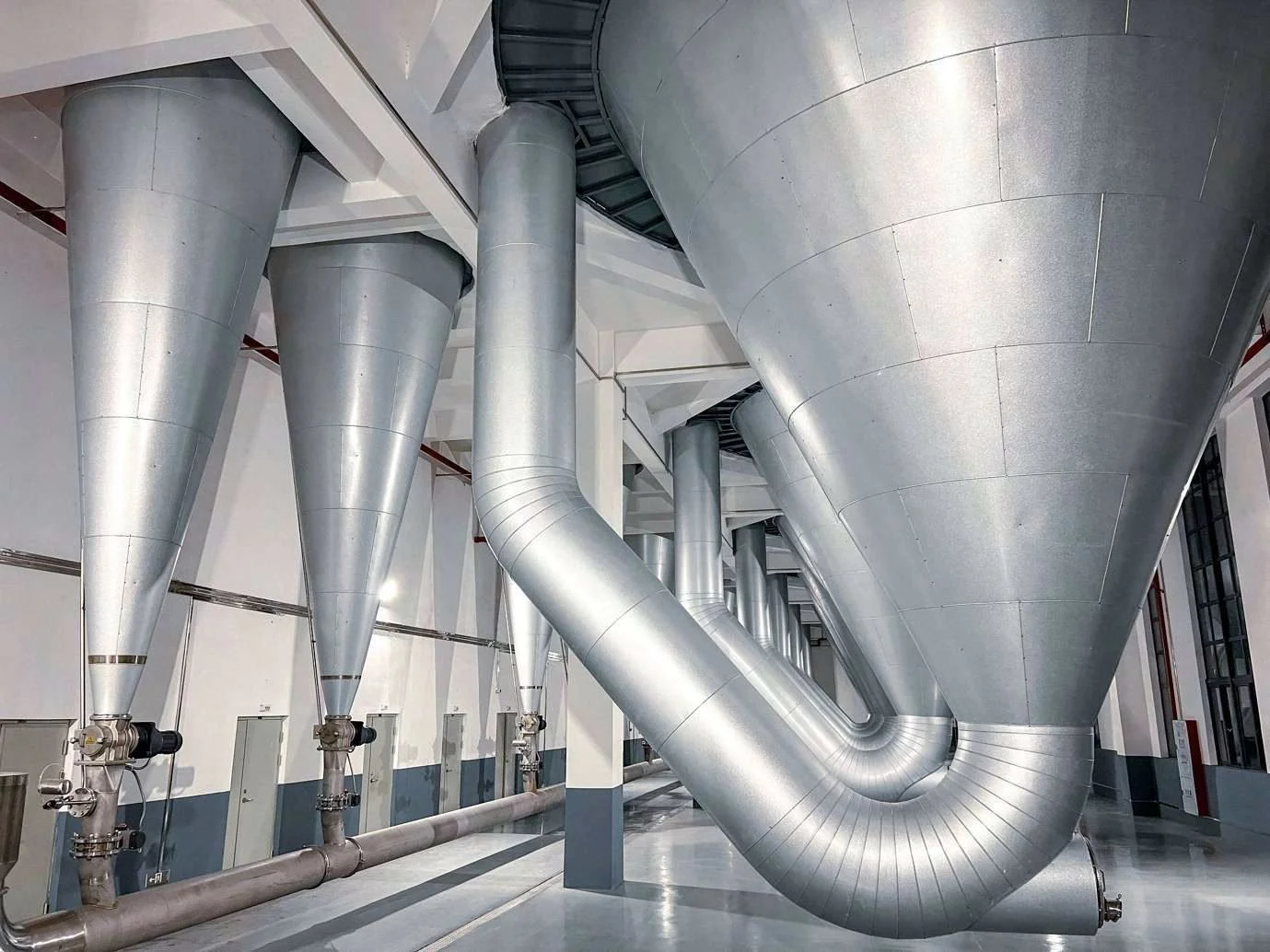
| Tower | φ5500 × 5500 mm, 50° cone |
| Atomizer | High-speed centrifugal, RW2T, 11 kW |
| Collection | φ1600 cyclone + φ1600 high-efficiency cyclone + φ1800 wet scrubber |
| Power | About 70 kW |
| Water | 2 t/h |
Figures from a delivered plant.
Wastewater types
What we have dried
Monosodium glutamate
Biopharmaceutical
Yeast and alcohol
Meat and starch
FAQ
Questions about this application
What capacity range do you build?
Wastewater spray dryers from 50 to 4,000 kg/h.
What happens to the dried solids?
Depending on the wastewater, they are sold as protein feed additives or fertilizer, or disposed of as a stable dry solid.
Next step
Send us your material. We will size the dryer.
Tell us the material, solids content and the capacity you need. An engineer replies within one working day, and we can run a trial on your sample in our test center.