
Energy · Cathode and anode materials
Lithium Battery Spray Dryer
High-speed centrifugal spray dryers for lithium iron phosphate cathode and other electrode materials. Compact micro-spheres, high bulk density and moisture down to 0.3–0.5%.
Process
Micro-spheres with high bulk density.
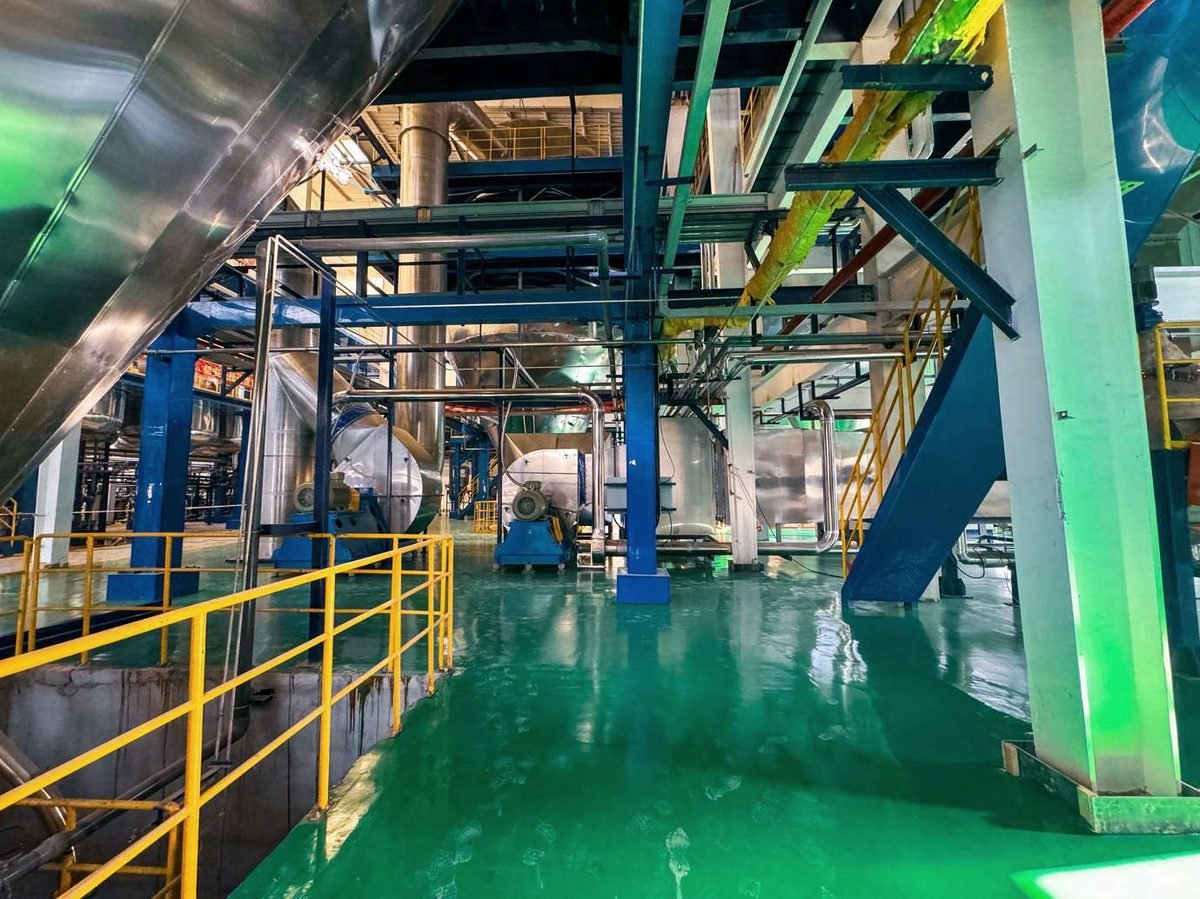
The QZR high-speed centrifugal spray dryer atomizes the water-based slurry into fine droplets that dry in tens of seconds. Production is continuous and the particle size is uniform.
The atomization produces compact, free-flowing micro-spherical particles and raises the bulk density of the cathode material. Magnetic filtering keeps iron impurities out to protect conductivity. Exhaust above 120 °C is recycled to save energy.
- Uniform micro-spherical particles
- Higher bulk density of LFP cathode
- Magnetic filtering against iron contamination
- Exhaust heat recycled
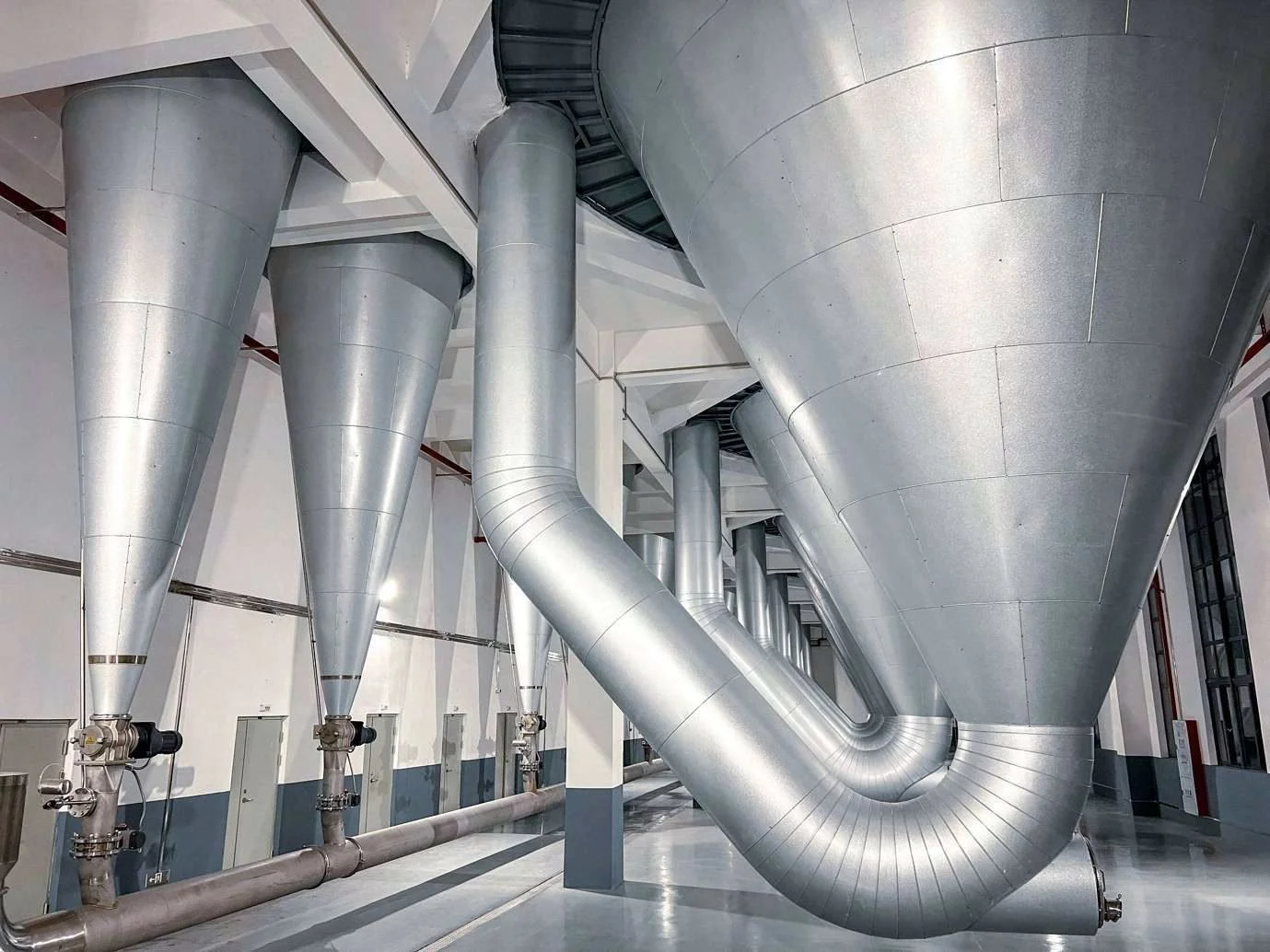
- Tower + cyclone + bag filter collection
Typical parameters
Special spray drying unit for battery materials
| Material | Lithium battery cathode or anode material |
|---|---|
| Feed moisture | 30–45% |
| Final moisture | < 0.5% |
| Output | 5–1,000 kg/h (at 40% moisture) |
| Water evaporation | 7.12–1,425 kg/h |
| Atomization | High-speed centrifugal, co-current |
| Heat source | Electric, steam + electric, natural gas, diesel or biomass |
| Collection | Drying tower + cyclone + bag filter |
| Control | PLC |
Source: Linzhou Dryer 2025 product brochure.
FAQ
Questions about this application
What moisture can you reach for LFP?
The finished product meets 0.3–0.5% moisture, with primary particles of 3–5 µm.
How do you prevent iron contamination?
Magnetic filtering removes iron impurities that would reduce the conductivity of the cathode material.
Can solvent-based electrode slurries be dried?
Yes, in a closed-loop nitrogen spray dryer that recovers the solvent.
Next step
Send us your material. We will size the dryer.
Tell us the material, solids content and the capacity you need. An engineer replies within one working day, and we can run a trial on your sample in our test center.