Research & testing
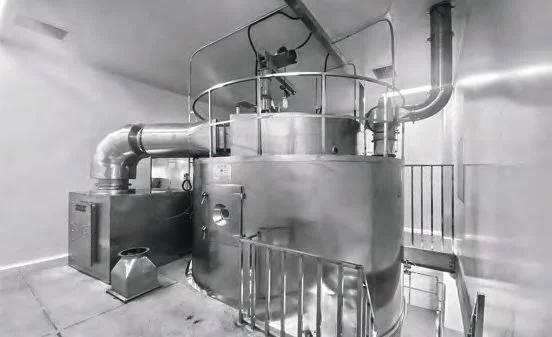
Spray Drying Test Center
See your powder before you buy the plant. Our test center runs feasibility trials on customer samples and turns the results into a dryer design.
Why test first
The material decides the dryer.
Viscosity, solids content, heat sensitivity and stickiness all change how a liquid dries. A trial on your own feed shows which atomizer works, what temperatures the powder tolerates and what yield to expect.
Our test center covers feasibility experiments for all materials that can be spray dried. The results become the basis of the full-scale design, which reduces your project risk.
- Feasibility trials on your own sample
- Centrifugal, pressure and two-fluid atomization on one site
- Water-based and solvent-based feeds
- Powder samples for your own lab or your customers
How a trial works
From sample to design in four steps
- Send your detailsMaterial, solids content, target powder spec. We confirm the sample volume.
- Ship the sampleWe schedule the trial on the lab or pilot unit that matches your process.
- Run the trialWe test atomizer type, inlet and outlet temperatures and feed rate.
- Receive powder and reportProcess parameters, yield and our recommended dryer design.
Test report
What the report covers
| Process conditions | Inlet and outlet air temperature, feed rate, atomizer type and speed or pressure |
|---|---|
| Powder quality | Final moisture, particle size range, appearance |
| Yield | Powder recovered against solids fed |
| Recommendation | Atomizer, drying chamber size, powder collection and heat source for your capacity |
Exact tests depend on your material and are agreed before the trial.
Research institute
Wuxi Linzhou Drying Technology Research Institute
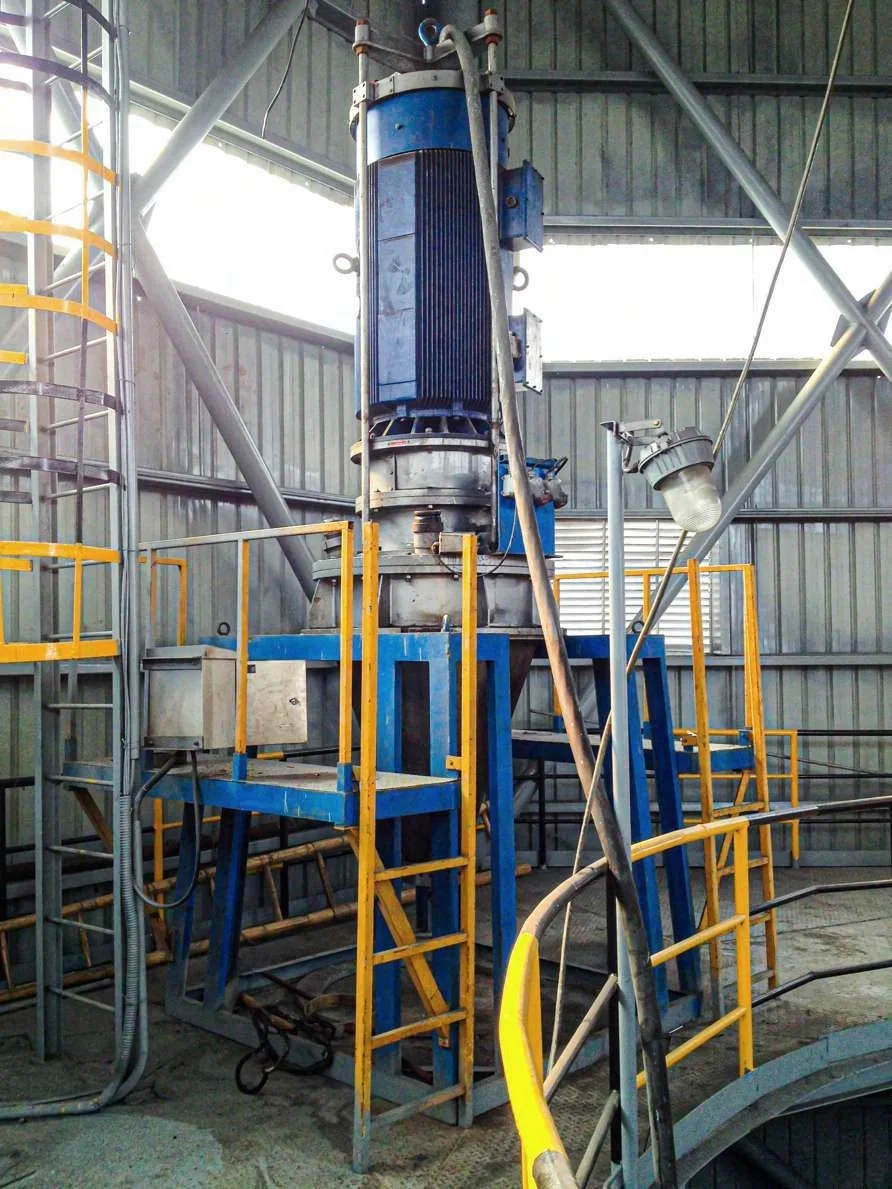
Our research institute studies new materials and drying mechanisms and develops new equipment. It works with Prof. Arun S. Mujumdar, past president of the International Drying Association, as technical adviser, and is led on the engineering side by Dr. Lixin Huang (Ph.D., National University of Singapore).
Research from the institute produced the national industry standard for high-speed centrifugal spray dryers (1998) and China's first 45 t/h centrifugal atomizer.
Information we need
What to send us for a quotation
We do not sell spray dryers from a fixed model list. Every dryer is sized to the material, so these are the details our engineers ask for first.
| Material | Name, and what the powder is used for |
|---|---|
| Feed | Solids content (%), viscosity, temperature, solvent (water or organic) |
| Capacity | Powder output or water evaporation in kg/h, operating hours per day |
| Powder spec | Final moisture, particle size range, bulk density |
| Heat sensitivity | Maximum product temperature, if known |
| Site | Available heat source (steam, gas, electric, thermal oil) and building height |
If you are not sure about a value, leave it blank and we will work it out with you, or test a sample.
FAQ
Questions about material testing
What do I need to send for a test?
A sample of your liquid feed, its solids content and viscosity, and the powder you want: moisture, particle size and bulk density. We tell you the sample volume for your material before you ship it.
What do I get back?
The dried powder and a test report with the process conditions: inlet and outlet air temperature, feed rate, yield, final moisture and particle size, with our recommendation for the atomizer and dryer design.
Can you test solvent-based or heat-sensitive materials?
Yes. Our lab units handle organic solvents, and inlet and outlet temperatures are set to the product. For flammable solvents we test on a closed-loop nitrogen design.
Do I have to buy a dryer after the test?
No. The test tells you whether spray drying works for your material and what a plant would need.
Next step
Send us your sample details.
Tell us the material and the powder you need. We reply within one working day with the sample volume and next steps.